Why Brown Signs?
History of Brown Signs
The history of brown signs in the United States, which guide travelers to historical and recreational tourism sites, reflects the evolution of standardized signage for navigation and public awareness. Before the 20th century, road markers were localized and inconsistent, often limited to milestones and wooden signs. The automobile boom of the early 20th century highlighted the need for uniform signage, leading to the first edition of the Manual on Uniform Traffic Control Devices (MUTCD) in 1935. This manual established standards for road signs across the nation, with specific colors assigned for different purposes. Brown was eventually designated for cultural, historical, and recreational sites.
The widespread adoption of brown signs coincided with the expansion of the Interstate Highway System in the 1960s, driven by the Federal-Aid Highway Act of 1956. As tourism became a significant factor in highway design, brown signs emerged as a standard for directing travelers to national parks, monuments, historic battlefields, and museums. The growing interest in historical preservation, spurred by legislation like the National Historic Preservation Act of 1966, further increased the use of these signs. States and local governments also embraced brown signs to promote regional historical trails and attractions, making them a key part of cultural heritage tourism.
Today, brown signs remain a valuable tool for tourism and public engagement. They guide travelers to a wide range of attractions, from well-known landmarks to hidden gems, encouraging spontaneous exploration and providing a visual connection to the nation’s history and culture. Despite the prevalence of GPS technology, these physical markers retain their importance for roadside visibility. However, challenges such as maintenance costs and oversaturation in certain areas have emerged, prompting discussions about their future. As cultural heritage tourism continues to grow, brown signs are likely to persist, serving as a complement to digital navigation and a tangible reminder of the country’s diverse historical and cultural treasures.
Gallery
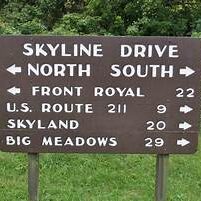
Shenandoah Nat'l Park, Virginia
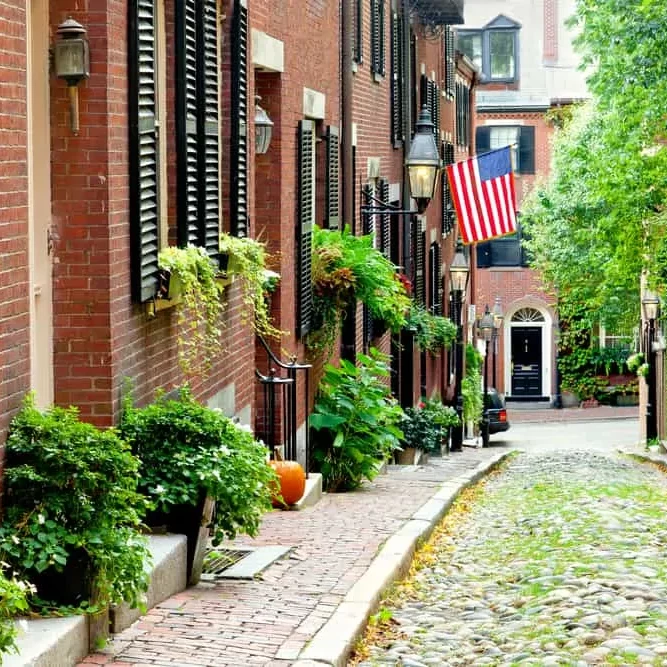
Historic Philadelphia, Pennsylvania
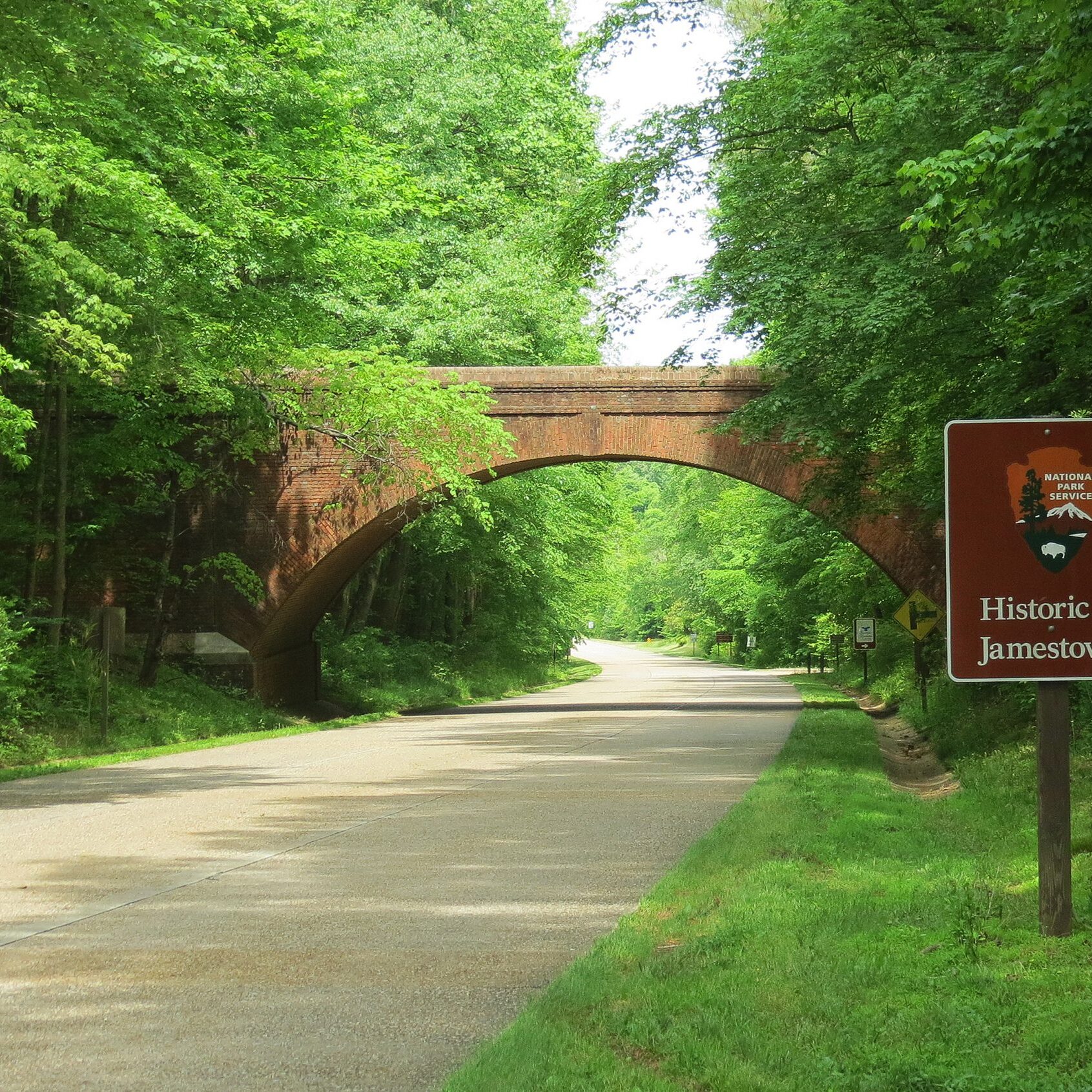
Colonial Parkway, Virginia

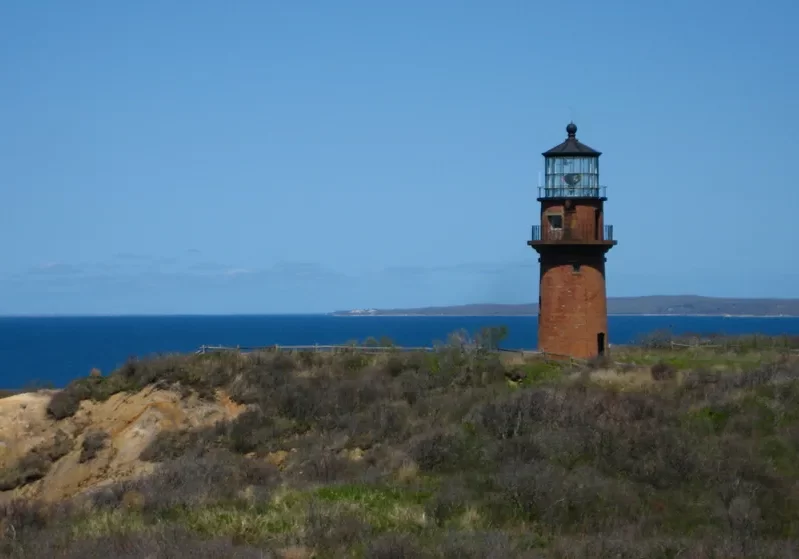
Get in touch, let's save our historical landmarks!
A major impact to the preservation of historic places across the United States is the tourism industry. Visiting the sites provides revenue that funds preservation efforts and keeps historic property open to the public
Check Out our E-Book!
We tailored an informative e-book on the importance of advocacy for brown tourist signs in the United States
