In voice searches, we tend to ask longer, more specific questions rather than typing in a few short words. For example, instead of me typing “best Italian restaurant,” a voice search might be something like, “What’s the best Italian restaurant near me?” This is why long-tail keywords have become even more critical for voice search optimization.
To adapt to this change, SEO content creators need to focus on more natural, conversational phrases. Incorporating question-based keywords, such as “how,” “what,” “where,” and “why,” into content can help align with how people use voice search.
Example: Instead of targeting a keyword like “best coffee shop,” you might target something more natural like “where can I find the best coffee shop nearby?”
When receiving results:
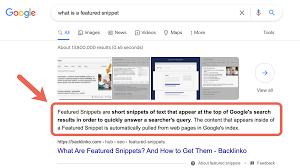
Featured snippets are the boxed information that appears at the top of Google’s search results when a user asks a question. These snippets often provide a direct answer, which is what voice assistants pull from when providing spoken responses.
To optimize your content for featured snippets:
- Format your content to answer specific questions directly.
- Use numbered or bulleted lists to make information easier to read.
- Aim for short, clear answers—thinking of how you would speak to a friend.
As voice search continues to dominate the search landscape, businesses and content creators need to rethink their SEO strategies to stay ahead of the curve.
2 Responses
This is super interesting! I never thought about the ways we search different through voice text and how that might affect SEO. Good job.
I like this topic. I also did not think about how people search differently either through direct search, or voice text. I also liked how you talked about featured snippets.