When people think of SEO, they usually think about search keywords, titles, and written content. While those things are important, links are a huge factor that help SEs understand whether a website is trustworthy and useful.
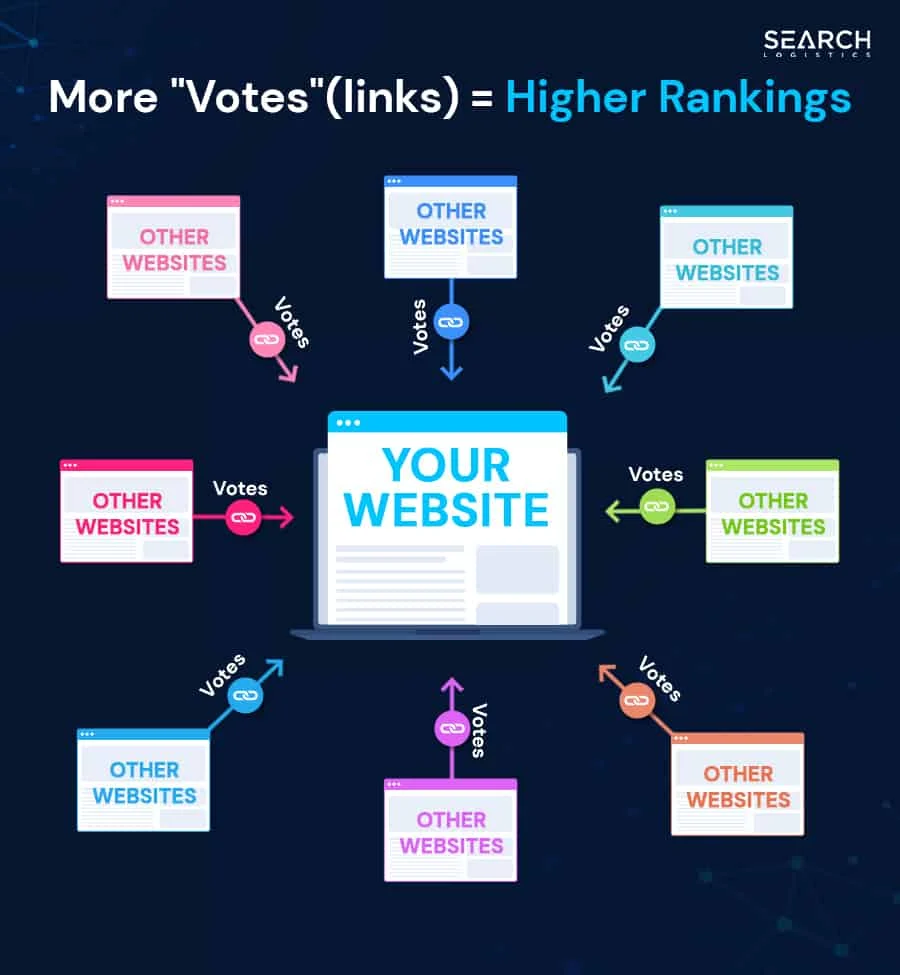
A link is a connection between websites. When another website links to your site, it can act almost like a recommendation. SEs see that link and use it as a clue that your website has valuable information. This is especially true when the linking website is authoritative, relevant, and trustworthy.
Not all links have the same value. A link from a respected website in your industry is usually much stronger than a random link from an unrelated or low-quality site. For example, if a nail salon website gets a link from a beauty blog or local business directory, that link is more meaningful than a link from a random spammy website.
Links also help SEs discover new pages. If a page has no links pointing to it, Google may have a harder time finding and understanding it. This is why internal linking matters too. Internal links connect pages within the same website and help users and search engines move through the site.
The main dimensions of link impact include branded referrals, domain trust, anchor text, and the connection between linking pages. Anchor text is the clickable text of a link. When the anchor text is descriptive, it gives SEs more context about what the linked page is about.
Overall, links are important because they show authority, relevance, and connectedness. Good SEO is not just about creating content, but also about building a website that naturally earns attention and links from others.
No Responses