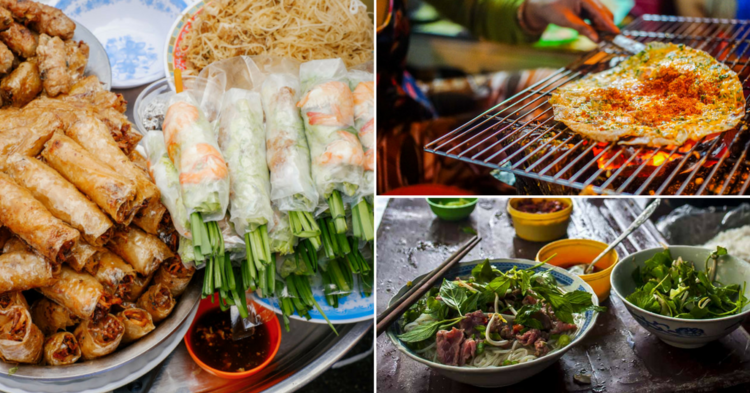
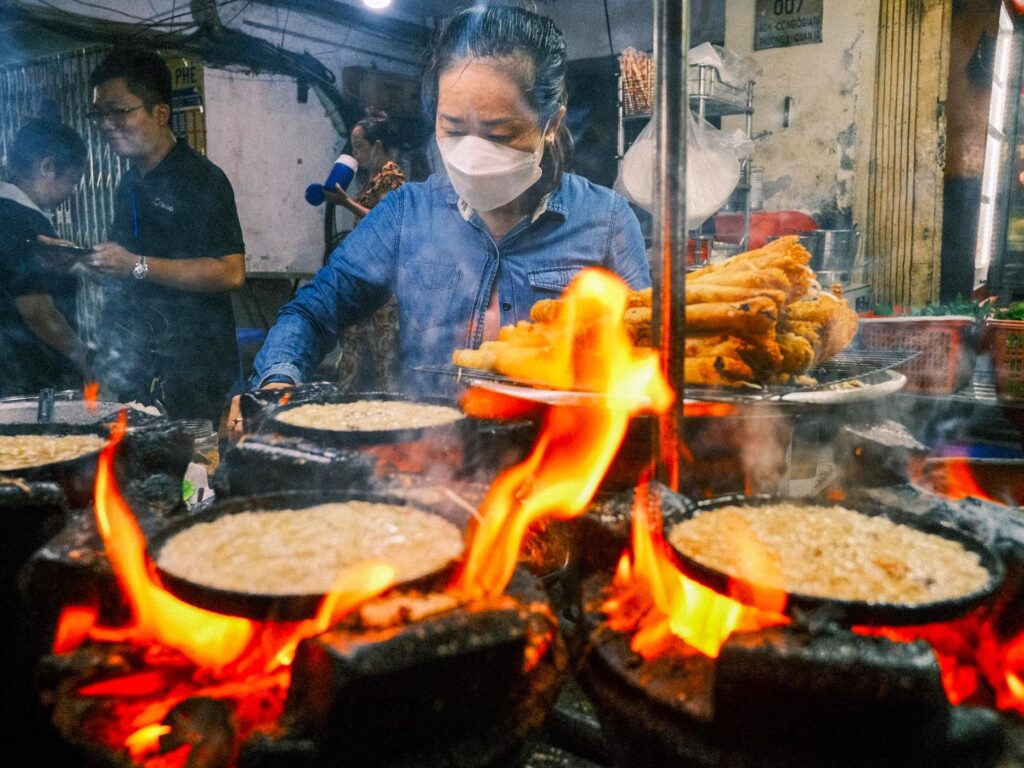
When it comes to SEO, many people immediately think of technology companies or e-commerce platforms. However, professions that seem to lie outside the digital realm, such as street vendors, sidewalk eateries, neighborhood mechanics, and traditional street-side stalls, are also gradually recognizing the immense value of having a presence on Google.
This is a matter that demands particular attention, especially in countries like Vietnam, where such elements are deeply woven into the material of national identity and culture. Consumer search behavior has undergone a dramatic transformation. Before heading out for a bowl of pho or looking for a banh mi, the vast majority of people now open Google Maps or type in phrases such as “delicious pho nearby” or “famous banh mi in Saigon.” However, for eateries that have been operating for decades, often following the traditional, family-run models typical of Vietnamese establishments, this presents a significant challenge. It is precisely these types of establishments that truly set a destination apart, yet if they fail to appear in search results, they miss out on hundreds of potential customers every single day.
The culture of street vending constitutes a unique identity that sparks immense curiosity among international tourists. They search for it using keywords such as “Vietnamese street food” or “hidden food spots in Hanoi.” A short blog post, a TikTok video tagged with a location, or a well-optimized Google Business profile can all help a small eatery go viral. Today, food vendors can register for a Google Business Profile for free, encourage customers to leave reviews, capture high-quality photos of their dishes, and collaborate with food bloggers to generate natural backlinks. SEO is no longer a game reserved for corporate giants, e-commerce platforms, or organizations with abundant resources; individuals can now take full control of it themselves. In doing so, they can place their own unique identity and that of their country firmly on the global map.
One Response
I liked that this post connected SEO to real culture and everyday businesses, not just big companies or online stores. I also liked how it showed that tools like Google Business Profile, reviews, photos, TikTok, and backlinks can help small local vendors get discovered by both locals and tourists.