
One amazing aspects about the internet is that it enables people with different backgrounds and languages to exchange ideas. With the internet, an American easily can buy a German car or Japanese paper. The internet has expanded business globally, and with multilingual SEO an Italian, who cannot speak english, can purchase an iphone. People find answers, ideas, products, etc. online through websites simply with words. How do websites attract people, who speak different languages, across the globe to a website? Websites use multilingual SEO.
For small businesses, multilingual SEO might seem irrelevant, but even small businesses can find customers worldwide. For example, my sister bought her wedding dress from a small Ukranian bridal shop. Blogs, forums, and of course social media will especially benefit from multilingual SEO, since people want to hear other perspectives on these types of websites. Over 1 billion people speak English worldwide, but the rest of the world speaks other languages. Multilingual SEO expands the market and audience internationally.
Tips for Multilingual Optimization
- Links: use language domains like “domain.es” OR create a seperate folder with “domain/fr” OR subdomains such as “ch.domain”
- Use only one language on a page: translate content, footers, navigation, comment sections, alt text, etc. Do not try and save time by only partially translating a page. This will confuse the engine because it sends mixed signals.
- Convert times (time zones) and currencies.
- Research Keywords: other languages have different words, phrases, and thinking, and learning what people actually type to research will give you an edge over competitors.
- English speaking countries (US, UK, Australia, Canada) differ in both spelling, colloquialisms, connonotations, and references.
Example
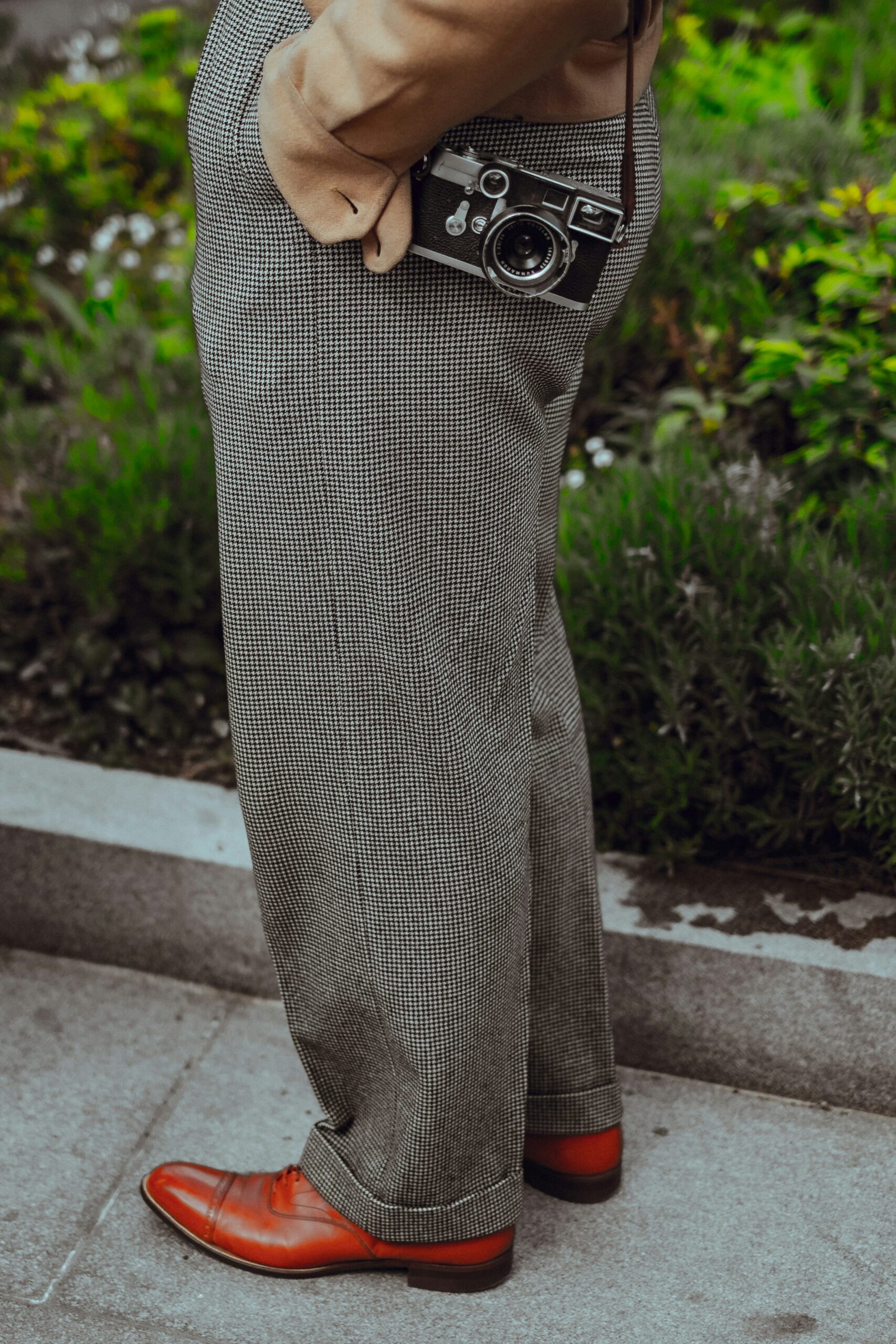
If a clothing shop wanted to use multilingual SEO to market for UK customers, the website would change the currency from dollars to pounds. The company would also need to change how they listed dress pants. In British English, pants means underwear while trousers indicate full length clothing bottoms.
No Responses